Your gut after antibiotics — the Ayurvedic guide to rebuilding from the inside out
May 28, 2026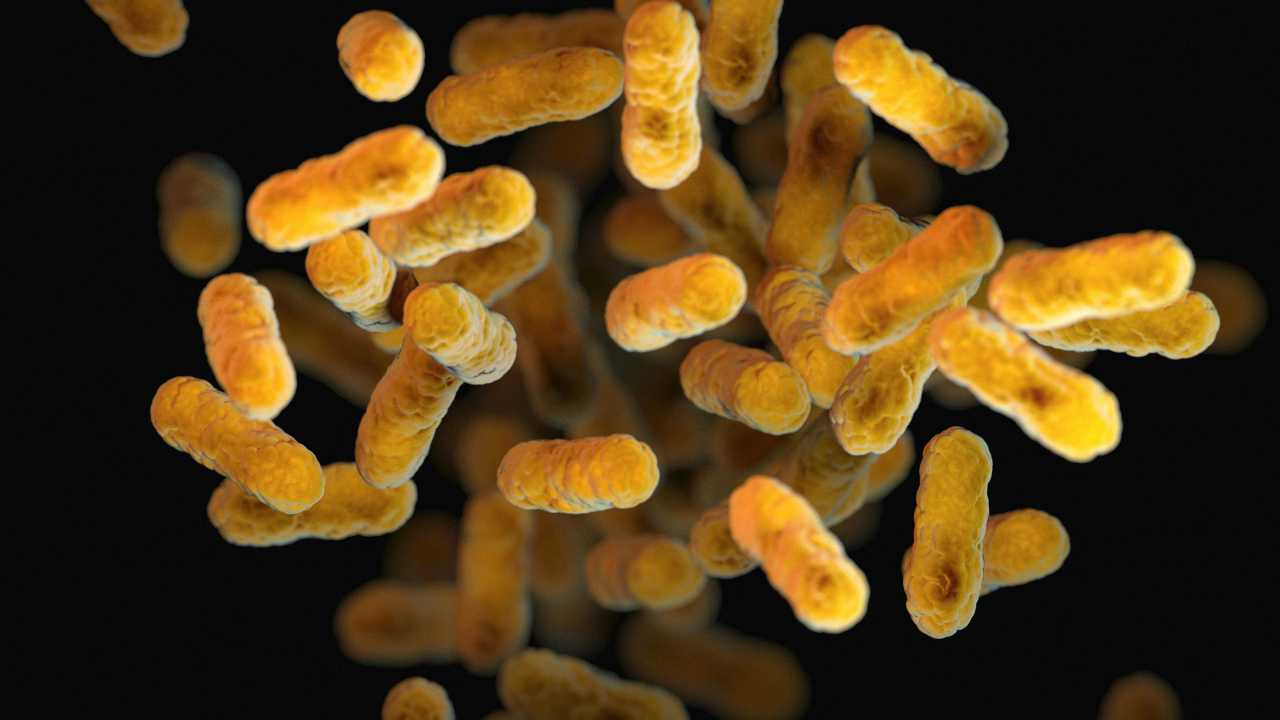
I have had a complicated relationship with antibiotics for most of my life. As someone who has spent over twenty years working to heal my gut — trying every modality, every protocol, every approach before finally finding my way to Ayurveda — the idea of taking something that I knew would disrupt my carefully rebuilt inner ecosystem was genuinely difficult.
Just recently I found myself in exactly that position. A health issue that required a course of antibiotics. No choice. I took them, I was grateful they worked, and then I watched my gut — so painstakingly restored over years of Ayurvedic practice — go through its own kind of upheaval.
The bloating returned. The energy dipped. That familiar fog settled in. And I was reminded, viscerally, of how much our gut health underpins absolutely everything else.
But I also had something I had not had the first time around — a clear, ancient framework for rebuilding. And I want to share it with you today, because so many of the women I work with have been through exactly this experience and do not know where to start.
What antibiotics actually do to your gut
Antibiotics are one of modern medicine's greatest gifts. They save lives. But they come with a cost that is rarely discussed in the doctor's office — the disruption of the gut microbiome.
Your gut is home to trillions of bacteria, fungi, and microorganisms that work in extraordinary harmony to support your digestion, your immunity, your hormonal balance, and even your mental health. Just one course of antibiotics can wipe out a significant proportion of these — not just the harmful bacteria the antibiotic is targeting, but the beneficial ones too.
In Ayurveda, the gut is the seat of all health — the home of Agni, your digestive fire, and the source of Ojas, your vital essence. When antibiotics weaken Agni and create Ama (undigested toxins), the effects ripple outward into every system of the body.
What does this look like in practice? Bloating, irregular digestion, food sensitivities that were not there before, fatigue, brain fog, lowered immunity, mood disruption, hormonal imbalance. These are not unrelated symptoms. They are the cascade of a disrupted microbiome.
The good news — and there is genuinely good news — is that the gut is extraordinarily resilient. Given the right conditions, it knows exactly how to rebuild. Ayurveda has understood this for thousands of years, and the five-step protocol below is rooted in that ancient wisdom.
The gut-hormone-energy connection
Before we get into the protocol, I want to explain something that most people do not realise — why a disrupted gut microbiome affects so much more than digestion.
Your gut bacteria directly regulate oestrogen levels in the body through what modern research calls the gut-estrobolome — the collection of gut bacteria responsible for metabolising and regulating oestrogen. When this is disrupted, oestrogen can either accumulate or drop, leading to hormonal symptoms that can feel completely disconnected from digestion — mood swings, irregular cycles, heightened perimenopause symptoms, low libido, and sleep disruption.
When digestion is compromised, the body diverts enormous energy to managing what it cannot properly process. Ama — undigested matter — accumulates in the tissues, creates systemic inflammation, and quietly drains the vitality that should be available for living. The fatigue after a course of antibiotics is not just tiredness. It is your body working very hard to restore order.
Your gut, your hormones, and your energy are not three separate problems. They are one interconnected system. Support the gut and everything downstream begins to find its balance.
The five-step Ayurvedic protocol for rebuilding after antibiotics
This is not a restrictive detox or an extreme protocol. It is a gentle, intelligent, deeply nourishing approach rooted in five thousand years of wisdom. Take it slowly. Be patient with your body. It is working hard on your behalf.
Step 1 — Rekindle Agni, your digestive fire
After antibiotics, Agni needs gentle rekindling — not forcing. The worst thing you can do is immediately return to complex, heavy, or raw foods. Instead:
- Eat warm, cooked, easy-to-digest meals — soups, kitchari, basmati rice, stewed vegetables. These are the foods Ayurveda has always recommended for recovering Agni.
- Sip warm water with fresh ginger throughout the day — one of the most effective and accessible ways to gently rekindle digestive fire.
- Drink CCF tea — cumin, coriander, and fennel steeped in hot water — a classical Ayurvedic digestive tonic that supports the entire digestive tract.
- Eat at regular times — rhythm is deeply regulating for Agni. The body responds to consistency with extraordinary efficiency.
- Avoid raw, cold, or very heavy foods until your digestion feels strong again.
Your gut does not need a challenge right now. It needs a warm, gentle invitation back to itself.
Step 2 — Repopulate with living, probiotic-rich foods
Once digestion begins to stabilise — usually after a few days of warm, simple eating — it is time to begin reintroducing beneficial bacteria through food. In Ayurveda, fermented foods have been used for millennia precisely for this purpose.
- Natural yogurt with live cultures — ideally A2, which is gentler on the gut lining
- Kefir — one of the most potent natural probiotic foods available, rich in diverse bacterial strains
- Miso soup — warm, soothing, fermented, and deeply supportive for the gut
- Fermented vegetables — sauerkraut and kimchi in small amounts to begin with
- Idli or dosa — fermented rice and lentil, a traditional Ayurvedic food that is easy to digest and probiotic-rich
A note on probiotic supplements — they can be helpful, but food-based probiotics are far more bioavailable and come with a complexity of bacterial strains that supplements cannot replicate. Use supplements as a complement to probiotic foods, not a replacement.
Step 3 — Feed the good bacteria with prebiotics
Probiotics need food to thrive. In Ayurveda, these are called Pachana — prebiotic foods that nourish the beneficial bacteria you are working so hard to rebuild. Without adequate prebiotics, even the best probiotic foods will not have the full effect.
- Oats, flaxseeds, and lentils — gentle, fibre-rich, and deeply nourishing
- Cooked asparagus, fennel, and artichokes — prebiotic-rich and easy on a sensitive gut
- Ripe bananas and stewed apples — gentle and sweet, and deeply supportive
- Ginger, cinnamon, and turmeric — spices that feed beneficial bacteria and protect the gut lining
- Ghee — one of Ayurveda's most revered gut healers, coating and soothing the gut lining while feeding beneficial microorganisms
The more variety of plant-based foods you introduce over time, the more diverse and resilient your microbiome becomes. Research consistently shows that microbiome diversity is one of the strongest indicators of overall health.
Step 4 — Clear Ama and reduce inflammation
An inflamed gut cannot heal efficiently. Ama — the Ayurvedic concept of undigested matter and accumulated toxins — increases when digestion is weak. Clearing Ama is not a dramatic detox. It is a gentle daily practice of choosing anti-inflammatory foods and avoiding what feeds the wrong bacteria.
- Drink plenty of warm water and herbal teas throughout the day — ginger, fennel, liquorice root, and chamomile are all deeply supportive
- Avoid processed foods, refined sugar, and alcohol — they actively feed pathogenic bacteria and slow healing
- Eat light evening meals — the gut does its most important repair work overnight and needs energy to do so
- A short walk after eating supports gentle peristalsis and aids digestion without straining a sensitive system
- Golden milk — turmeric in warm plant or A2 milk with a pinch of black pepper — is one of the most powerful anti-inflammatory practices you can adopt daily
Step 5 — Rest, rhythm, and nervous system support
This is the step most people miss — and it is one of the most important. The gut and the nervous system are in constant, bidirectional communication through the vagus nerve. When the nervous system is dysregulated — through stress, poor sleep, or emotional overwhelm — the gut cannot heal efficiently. And a disrupted gut sends distress signals back to the brain, creating a cycle that is hard to break without addressing both.
- Prioritise sleep above everything — the gut microbiome regenerates and restores itself most deeply during deep sleep
- A simple morning ritual — even five minutes of stillness, warm lemon water, and gentle movement — signals safety to the nervous system and supports the gut-brain axis
- Gentle yoga and breathwork measurably reduce cortisol, which directly impacts gut permeability and bacterial balance
- Journaling — processing emotions and stress rather than suppressing them — supports the nervous system in ways that directly benefit the gut
- Eat slowly, chew thoroughly, and be present at mealtimes — digestion begins in the mind, with the activation of the cephalic phase of digestion
In Ayurveda, rest is not the absence of doing. Rest is medicine. Your body heals in stillness — give it the conditions it needs.
A word on timing and patience
Rebuilding the gut microbiome after antibiotics takes time. Research suggests it can take anywhere from a few weeks to several months for the microbiome to fully restore itself — and this timeline varies significantly depending on the length and type of antibiotic course, your baseline gut health, your diet, your stress levels, and your sleep.
Do not measure your progress by how you feel in the first week. Measure it by the consistency of your practice over the following months. Small, daily choices — a cup of ginger tea, a bowl of kitchari, a morning walk, five minutes of stillness — compound over time into profound, lasting change.
This is the Ayurvedic approach. Not dramatic intervention. Gentle, consistent, intelligent daily nourishment. The body responds to this kind of care with extraordinary faithfulness.
A final thought
Antibiotics are sometimes necessary. They are not the enemy. But taking them without conscious support for your gut is a missed opportunity — one that can have long-lasting effects on your digestion, your hormones, your immunity, and your energy.
If you have recently finished a course of antibiotics — or if you are carrying the after-effects of one taken months or years ago — it is never too late to begin rebuilding. Your gut is extraordinarily resilient. It is asking, always, for the right conditions.
Schedule one-on-one Ayurvedic consultation. For personalised diet + lifestyle treatment plans designed for you based on an exploration of your physical, mental and emotional wellbeing. Gain the tools to restore balance daily.
Stay Connected
Join The Vitality Newsletter and gain insights into yoga, Ayurveda, meditation, and lifestyle practices that harmonise your physical, mental, and spiritual health.
We hate SPAM. We will never sell your information, for any reason.
